Latest News:
- ABOUT RNBGU
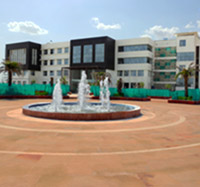
The RNB Global University has been established by act no 20 of 2015 passed by the Rajasthan Vidhan Sabha and notified by state of Rajasthan on 27/04/2015. The degrees which will be awarded by RNB Global University would be recognized by University Grants Commission (UGC).
- ADMISSIONS

RNB Global University accepts admission applications to a wide variety of Undergraduate and Postgraduate degree programs. RNBGU welcomes applications from all over the world & offer a venue to benefit from studying with us.
- Schools
- ACADEMICS

RNB Global University teaches not only what to think, but even how in order to overcome challenges & lead others. RNBGU brings together highly experienced & qualified Faculties and talented students from throughout the county at one place for an exceptional ...
- Strategic Plan and Deployment Documents
- Faculties and Schools
- Curriculum Design and Policy
- Syllabus
- Programme Outcomes
- Course Outcomes
- Examination and Evaluation
- Academic Calendar 2024-2025
- Board of Studies
- Academic Council
- Faculty Members
- Policies
- Committees
- ICT-Enabled Facilities
- Sanctioned Teaching Post
- MOOC Courses
- Indian Knowledge System (IKS)
- Gender Cell
- Teaching Learning Pedagogy
- NEP 2020 Implementation
- Teaching Outcome (Attainment)
- PROGRAMS
Coming Soon
- INFRASTRUCTURE
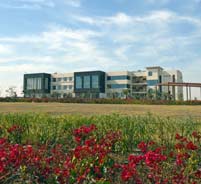
We believe that a clean, green and a pollution free environment provides a pristine backdrop for an effective learning experience. We have therefore left no stone unturned in the development of a green ecosystem to provide enrichment to the mind, heart and soul of ...
- Research & Incubation

We believe that a clean, green and a pollution free environment provides a pristine backdrop for an effective learning experience. We have therefore left no stone unturned in the development of a green ecosystem to provide enrichment to the mind, heart and soul of ...
- Library

We believe that a clean, green and a pollution free environment provides a pristine backdrop for an effective learning experience. We have therefore left no stone unturned in the development of a green ecosystem to provide enrichment to the mind, heart and soul of ...
- ERP Login

- ABOUT RNBGU
- ADMISSIONS
- Schools
- ACADEMICS
- Strategic Plan and Deployment Documents
- Faculties and Schools
- Curriculum Design and Policy
- Syllabus
- Programme Outcomes
- Course Outcomes
- Examination and Evaluation
- Academic Calendar 2024-2025
- Board of Studies
- Academic Council
- Faculty Members
- Policies
- Committees
- ICT-Enabled Facilities
- Sanctioned Teaching Post
- MOOC Courses
- Indian Knowledge System (IKS)
- Gender Cell
- Teaching Learning Pedagogy
- NEP 2020 Implementation
- Teaching Outcome (Attainment)
- PROGRAMS
- Under Graduate Programs
- B.A. (Bachelor of Arts)
- B.Com. - 2026-27
- B.Com . (Hons) - 2026-27
- BBA (Marketing) - 2026-27
- BBA (Finance) - 2026-27
- BBA (Digital & Social Media Marketing) - 2026-27
- BBA (Human Resource Management) - 2026-27
- BBA (Foreign Trade) - 2026-27
- BBA (Bachelor of Business Administration) - 2026-27
- B.Tech. (Computer Science And Engineering)
- B.Tech. (CSE) Spl In Cyber Security & Forensics
- B.Tech. (CSE) Spl In Data Science & Analytics
- B.Tech. (CSE) Spl In AI & Machine Learning
- B.Sc. (Bachelor Of Science) - 2026-27
- B.Sc. (Biotechnology) - 2026-27
- B.Sc. (Hons) Agriculture (Rajasthan Domicile)
- B.Sc. (Hons) Agriculture (Outside Rajasthan Student)
- BBA + LL.B. 2026-27
- B.A. + LL.B. 2026-27
- BCA (Bachelor of Computer Application)
- LL.B. 2026-27
- Post Graduate Programs
- M.A. (English) - 2026-27
- M.A. (Economics) - 2026-27
- M.A. (Political Science) - 2026-27
- M.A. (History) - 2026-27
- M.A. (Public Administration) - 2026-27
- MBA - 2026-27
- MBA (Marketing) - 2026-27
- MBA (Finance) - 2026-27
- MBA (Digital Marketing & E-Business) - 2026-27
- MBA (Family Business & Entrepreneurship) - 2026-27
- MBA (Agriculture Business Management) - 2026-27
- M.Sc. (Biotechnology) - 2025-26
- M.Sc (Agronomy) - 2026-27
- M.Sc (Genetics & Plant Breeding) - 2026-27
- M.Sc (Horticulture) - 2026-27
- LL.M 2026-27
- MCA (Master of Computer Applications) - 2026-27
- Doctoral Programs
- Under Graduate Programs
- INFRASTRUCTURE
- Research & Incubation
- Library
- ERP Login
- NIRF
- Placements
- Campus Life
- Media
- Blog
- Career
- Contact Us
- Student Reviews
- NAAC
- Anti-Ragging
Recent Posts

Blog

Career Paths After B.Tech. (CSE) Specialisation in Data Science & Analytics
Sep 26, 2026
Posted by : Admin
Career Paths After B.Tech. (CSE) Specialisation in Data Science & Analytics

Every digital interaction creates information. A search, a purchase, a financial transaction, a healthcare record, or even the way people use an application can generate data. What organisations do with that information is increasingly shaping how they operate, compete, and innovate.
This is where Data Science and Analytics comes into the picture.
For students entering the technology domain, a B.Tech. in Computer Science & Engineering with a Specialisation in Data Science & Analytics brings together two powerful areas: computing and data-driven problem-solving. Instead of looking at data simply as numbers or records, students learn how technology can be used to discover patterns, answer questions, and support smarter decisions.
For aspiring technology professionals, this opens up far more possibilities than a single career title.
Understanding the World of Data Science & Analytics
Data Science is not limited to writing code or working with spreadsheets. It involves asking the right questions, understanding information, identifying relationships within datasets, and using computational methods to arrive at useful conclusions.
Analytics, on the other hand, focuses strongly on interpreting information and turning it into insights that can support decisions.
A CSE programme with a Data Science & Analytics specialisation can therefore bring together areas such as:
- Programming and software fundamentals
- Data structures and algorithms
- Database systems
- Statistics and probability
- Data interpretation
- Data visualisation
- Machine learning
- Artificial intelligence
- Predictive modelling
- Business analytics
This combination gives students an opportunity to understand both the technology behind data and the insights that data can reveal.
Why Data Science & Analytics is Emerging as a Major Career Domain
Businesses today operate in environments where decisions increasingly depend on information. Organisations want to understand customers better, identify operational inefficiencies, forecast demand, detect unusual activity, improve digital products, and evaluate performance.
Behind many of these activities are professionals who can work with data.
This is why the field extends beyond traditional technology companies. Data-related skills can be relevant in finance, healthcare, retail, manufacturing, logistics, telecommunications, consulting, education, e-commerce, and many other domains.
For a CSE student, specialising in Data Science & Analytics can therefore mean developing a technical foundation while preparing to work on problems that involve large-scale information and intelligent systems.
Career Options After B.Tech. CSE in Data Science & Analytics
One of the most interesting aspects of this specialisation is that it does not lead to only one type of job. Depending on individual strengths and interests, graduates can move towards analytical, technical, engineering, business, or AI-oriented roles.
1. Data Analyst
Data Analysts help organisations make sense of information.
Their work may involve examining datasets, preparing reports, identifying trends, comparing performance indicators, and creating visual dashboards. They often act as a bridge between raw information and the people who need to use it.
Students who enjoy finding patterns and explaining what the numbers mean may find this career direction interesting.
Useful skills: SQL, Python, spreadsheets, statistics, visualisation, and logical reasoning.
2. Data Scientist
Data Scientists work on more advanced data problems. They may use statistical techniques and machine learning methods to build models, investigate complex datasets, and generate predictions.
For example, a Data Scientist might work on customer behaviour, demand forecasting, recommendation systems, risk analysis, or predictive models.
This role generally requires a combination of programming ability, mathematical understanding, analytical thinking, and domain knowledge.
Useful skills: Python, statistics, machine learning, SQL, modelling, and problem-solving.
3. Machine Learning Engineer
Machine Learning Engineers focus on putting machine learning concepts into practical technological systems.
Their responsibilities can include developing models, testing their performance, preparing data, and integrating machine learning capabilities into applications.
This career path can suit students who enjoy both software development and artificial intelligence.
Useful skills: Python, algorithms, machine learning, software engineering, model evaluation, and deployment concepts.
4. Data Engineer
Before data can be analysed, it needs to be collected, organised, processed, and made accessible.
Data Engineers work on the systems that make this possible. They may design data pipelines, manage databases, process large datasets, and build infrastructure that supports analytics and machine learning.
It is a particularly technical area within the broader data ecosystem.
Useful skills: SQL, Python, databases, data pipelines, cloud technologies, and distributed data concepts.
5. Business Intelligence Analyst
Not every data problem is purely technical. Organisations also need professionals who can connect data with business objectives.
Business Intelligence Analysts examine organizational information and turn it into dashboards, reports, and insights that can help teams understand performance and make informed decisions.
Students who enjoy both technology and business may consider this pathway.
Useful skills: SQL, data visualization, business analytics, dashboarding, and communication.
6. Product Analyst
Digital products generate a continuous stream of user information. Product Analysts study this information to understand how people interact with applications, websites, and digital services.
They may analyse engagement, customer journeys, feature performance, and other product metrics to help teams understand what is working and where improvements may be needed.
Useful skills: SQL, statistics, experimentation, analytics, visualization, and business understanding.
7. AI & Analytics Roles
The growth of artificial intelligence is creating an expanding connection between AI and data analytics.
Students with a foundation in programming, data handling, statistics, and machine learning can explore roles related to intelligent systems, predictive analytics, automation, AI applications, and data-driven solutions.
The exact role and responsibilities will depend on the additional technical skills and experience developed after graduation.
Where Can Data Science Graduates Work?
The applications of data extend far beyond the technology sector.
A graduate with relevant technical and analytical skills can explore opportunities across areas such as:
Banking & Financial Services
Data can be used for customer analysis, risk assessment, fraud monitoring, forecasting, and financial decision-making.
Healthcare
Healthcare organisations increasingly work with large volumes of clinical, operational, and research information, creating opportunities for analytics and data-driven applications.
E-Commerce & Retail
Customer preferences, purchasing behaviour, inventory, pricing, and demand can all generate valuable datasets.
Manufacturing
Data can support areas such as production monitoring, quality analysis, equipment maintenance, and process improvement.
Telecommunications
Network performance, customer behaviour, service usage, and operational data create numerous analytical applications.
Consulting
Consulting organisations use data to investigate business challenges, identify patterns, evaluate markets, and support strategic decisions.
Education & EdTech
Data can help institutions understand learning patterns, student engagement, academic performance, and operational processes.
The result is a career field that can take graduates into many different industries rather than restricting them to one sector.
Skills That Can Give Students a Stronger Start
A university degree can establish the fundamentals. Career growth, however, also depends on what students do with those fundamentals.
Learn to Code with Purpose
Programming becomes much more valuable when students use it to solve actual problems. Python and SQL are particularly useful technologies for students entering data-oriented careers.
Strengthen Statistical Thinking
Data can be misleading when it is interpreted incorrectly. A sound understanding of probability, statistics, and analytical reasoning helps students evaluate information more effectively.
Work on Real Projects
A project demonstrates how a student applies knowledge beyond classroom exercises. Building dashboards, analysing public datasets, developing predictive models, or creating data-driven applications can provide valuable practical experience.
Understand Visualisation
A technically correct analysis is not always useful if its findings cannot be communicated clearly. Data visualisation helps transform complex information into something decision-makers can understand.
Explore AI and Machine Learning
Students can expand their technical profile by learning how machine learning models work, how they are evaluated, and where AI can be applied responsibly.
Develop Communication Skills
Data professionals frequently work with people from non-technical backgrounds. The ability to explain an analytical finding in simple, meaningful language can therefore become an important professional skill.
From Classroom Concepts to Career Readiness
Students often ask an important question: How can I prepare for a Data Science career while pursuing my B.Tech.?
The answer begins with practical exposure.
Instead of waiting until graduation, students can gradually build their professional profile through:
Academic Projects: Apply concepts to practical problems rather than limiting learning to theory.
Internships: Experience professional environments and understand how technology teams work.
Personal Projects: Create independent projects that demonstrate curiosity and technical ability.
Technical Communities: Participate in competitions, coding activities, workshops, seminars, and collaborative technology initiatives.
Portfolio Development: Maintain a record of meaningful projects and technical work that can demonstrate capabilities to potential employers.
Continuous Learning: Stay updated with developments in analytics, AI, machine learning, cloud computing, and other emerging technologies.
The objective is not to learn every technology available. It is to develop a strong foundation and then build depth in areas aligned with one's career interests.
Higher Study Options After B.Tech. in Data Science & Analytics
A B.Tech. degree can also become the foundation for further academic specialisation.
Depending on their interests, graduates may consider postgraduate and advanced learning opportunities in areas such as:
- Data Science
- Computer Science
- Artificial Intelligence
- Machine Learning
- Business Analytics
- Information Technology
- Statistics and related analytical disciplines
Some graduates may also choose professional certifications or specialised industry programmes to strengthen particular technical skills.
The most suitable route depends on whether a student wants to move towards advanced technical roles, management, research, entrepreneurship, or a specific industry domain.
What Makes Data Science & Analytics an Exciting Career Direction?
Perhaps the most distinctive feature of Data Science is its ability to connect technology with real-world questions.
Why are customers choosing one product over another?
How can a company forecast demand?
Can a machine failure be anticipated?
How can a digital platform improve user experience?
How can large datasets reveal patterns that are difficult to identify manually?
These are the kinds of questions that bring data, technology, and human decision-making together.
For students who enjoy technology, logical reasoning, experimentation, and solving complex problems, Data Science & Analytics can provide a broad platform from which to build a technology career.
Begin Your Data-Driven Career Journey at RNBGU
Choosing a B.Tech. specialisation is more than choosing a subject. It is about identifying the kind of problems you want to understand and the kind of technology you want to work with in the future.
A B.Tech. (CSE) Specialisation in Data Science & Analytics at RNB Global University, Bikaner can provide students with an opportunity to build knowledge across computer science, data, analytics, and emerging technologies.
With the right combination of academic learning, practical projects, industry exposure, continuous skill development, and curiosity, students can prepare themselves for a wide range of roles across the evolving digital economy.
Learn to work with data. Build with technology. Create solutions for a world that increasingly runs on information.
Frequently Asked Questions
What are the career options after B.Tech. CSE in Data Science & Analytics?
Graduates can explore roles such as Data Analyst, Data Scientist, Machine Learning Engineer, Data Engineer, Business Intelligence Analyst, Product Analyst, and other AI- and analytics-related positions.
Is B.Tech. CSE with Data Science & Analytics suitable for students interested in AI?
Yes. Data Science and AI share important foundations, including programming, statistics, data handling, and machine learning. Students can further specialize in AI through projects, advanced courses, certifications, or postgraduate study.
Which programming language is useful for Data Science?
Python is widely used for data analysis and machine learning, while SQL is important for working with databases. Students can also learn additional technologies depending on their chosen career path.
Do Data Science graduates work only in IT companies?
No. Data-driven roles can be found across technology, finance, healthcare, retail, manufacturing, e-commerce, consulting, telecommunications, education, and several other industries.
What should a student learn alongside a B.Tech. in Data Science?
Students can complement their academic curriculum with programming practice, statistics, SQL, data visualization, machine learning fundamentals, projects, internships, communication skills, and knowledge of emerging technologies.