Latest News:


- ABOUT RNBGU
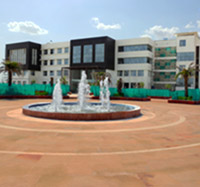
The RNB Global University has been established by act no 20 of 2015 passed by the Rajasthan Vidhan Sabha and notified by state of Rajasthan on 27/04/2015. The degrees which will be awarded by RNB Global University would be recognized by University Grants Commission (UGC).
- ADMISSIONS

RNB Global University accepts admission applications to a wide variety of Undergraduate and Postgraduate degree programs. RNBGU welcomes applications from all over the world & offer a venue to benefit from studying with us.
- Schools
- ACADEMICS
RNB Global University teaches not only what to think, but even how in order to overcome challenges & lead others. RNBGU brings together highly experienced & qualified Faculties and talented students from throughout the county at one place for an exceptional ...
- Strategic Plan and Deployment Documents
- Faculties and Schools
- Curriculum Design and Policy
- Syllabus
- Programme Outcomes
- Course Outcomes
- Examination and Evaluation
- Academic Calendar 2024-2025
- Board of Studies
- Academic Council
- Faculty Members
- Policies
- Committees
- ICT-Enabled Facilities
- Sanctioned Teaching Post
- MOOC Courses
- Indian Knowledge System (IKS)
- Gender Cell
- Teaching Learning Pedagogy
- NEP 2020 Implementation
- Teaching Outcome (Attainment)
- PROGRAMS
Coming Soon
- INFRASTRUCTURE
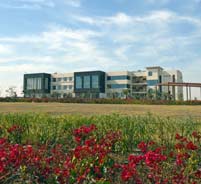
We believe that a clean, green and a pollution free environment provides a pristine backdrop for an effective learning experience. We have therefore left no stone unturned in the development of a green ecosystem to provide enrichment to the mind, heart and soul of ...
- Research & Incubation

We believe that a clean, green and a pollution free environment provides a pristine backdrop for an effective learning experience. We have therefore left no stone unturned in the development of a green ecosystem to provide enrichment to the mind, heart and soul of ...
- Library

We believe that a clean, green and a pollution free environment provides a pristine backdrop for an effective learning experience. We have therefore left no stone unturned in the development of a green ecosystem to provide enrichment to the mind, heart and soul of ...
- ERP Login

- ABOUT RNBGU
- ADMISSIONS
- Schools
- ACADEMICS
- Strategic Plan and Deployment Documents
- Faculties and Schools
- Curriculum Design and Policy
- Syllabus
- Programme Outcomes
- Course Outcomes
- Examination and Evaluation
- Academic Calendar 2024-2025
- Board of Studies
- Academic Council
- Faculty Members
- Policies
- Committees
- ICT-Enabled Facilities
- Sanctioned Teaching Post
- MOOC Courses
- Indian Knowledge System (IKS)
- Gender Cell
- Teaching Learning Pedagogy
- NEP 2020 Implementation
- Teaching Outcome (Attainment)
- PROGRAMS
- Under Graduate Programs
- B.A. (Bachelor of Arts)
- B.Com. - 2026-27
- B.Com . (Hons) - 2026-27
- BBA (Marketing) - 2026-27
- BBA (Finance) - 2026-27
- BBA (Digital & Social Media Marketing) - 2026-27
- BBA (Human Resource Management) - 2026-27
- BBA (Foreign Trade) - 2026-27
- BBA (Bachelor of Business Administration) - 2026-27
- B.Tech. (Computer Science And Engineering)
- B.Tech. (CSE) Spl In Cyber Security & Forensics
- B.Tech. (CSE) Spl In Data Science & Analytics
- B.Tech. (CSE) Spl In AI & Machine Learning
- B.Sc. (Bachelor Of Science) - 2026-27
- B.Sc. (Biotechnology) - 2026-27
- B.Sc. (Hons) Agriculture (Rajasthan Domicile)
- B.Sc. (Hons) Agriculture (Outside Rajasthan Student)
- BBA + LL.B. 2026-27
- B.A. + LL.B. 2026-27
- BCA (Bachelor of Computer Application)
- LL.B. 2026-27
- Post Graduate Programs
- M.A. (English) - 2026-27
- M.A. (Economics) - 2026-27
- M.A. (Political Science) - 2026-27
- M.A. (History) - 2026-27
- M.A. (Public Administration) - 2026-27
- MBA - 2026-27
- MBA (Marketing) - 2026-27
- MBA (Finance) - 2026-27
- MBA (Digital Marketing & E-Business) - 2026-27
- MBA (Family Business & Entrepreneurship) - 2026-27
- MBA (Agriculture Business Management) - 2026-27
- M.Sc. (Biotechnology) - 2025-26
- M.Sc (Agronomy) - 2026-27
- M.Sc (Genetics & Plant Breeding) - 2026-27
- M.Sc (Horticulture) - 2026-27
- LL.M 2026-27
- MCA (Master of Computer Applications) - 2026-27
- Doctoral Programs
- Under Graduate Programs
- INFRASTRUCTURE
- Research & Incubation
- Library
- ERP Login
- NIRF
- Placements
- Campus Life
- Media
- Blog
- Career
- Contact Us
- Student Reviews
- NAAC
- Anti-Ragging
News
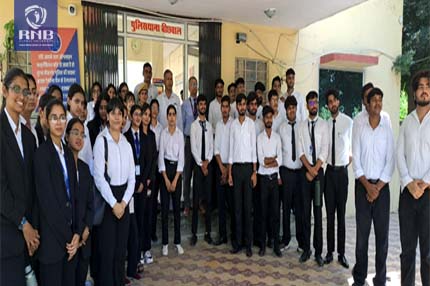
A Visit to the Police Station, Bichhawal, Bikaner
Sep 24, 2025
Visit to Police Station, Bichhawal
On 24th September 2025, students of the School of Law of RNB Global University, under the guidance of Dr. Bharat Kumar Jajra, visited Police Station, Bichhawal, Bikaner.
Our recent visit to the Police Station, Bichhawal, was an insightful experience that provided us with a deeper understanding of the functioning of the police system and its crucial role in maintaining law and order. Upon our arrival, we were warmly welcomed by the Station House Officer (SHO) and the staff, who patiently explained the structure and working of the police station.
The officers elaborated on the process of filing a First Information Report (FIR), investigation procedures, and the coordination between police and other law enforcement agencies. We were also shown the record-keeping section, control room, and lock-up facilities, which helped us appreciate the systematic approach followed in handling cases. Overall, the experience was educational, informative, and motivating, encouraging us to be responsible citizens.
Objectives of the Visit
- Understanding Police Station Structure and Hierarchy: The primary objective of the visit was to familiarize students with the practical functioning of the police station, including its organizational structure, administrative hierarchy, and the division of responsibilities among different officers.
- Learning the FIR Registration and Processing System: The visit aimed at providing an understanding of how First Information Reports (FIRs) are registered, recorded, and processed, giving students practical exposure to legal procedures under the Code of Criminal Procedure.
- Observation of Investigation and Evidence Procedures: Another objective was to observe the investigation process, evidence collection, and documentation methods adopted by police officials, ensuring transparency, accountability, and adherence to legal and ethical standards during inquiries.
- Role of Police in "Law and Order” Maintenance: The purpose included imparting knowledge about the preventive role of police in maintaining law and order, crime prevention strategies, patrolling duties, and community policing initiatives in rural and urban areas.
- Exposure to Technology and Digital Policing Tools: The visit intended to make students aware of the technological advancements used in policing, such as digital record-keeping, surveillance systems, cybercrime monitoring, and online grievance redressal mechanisms for public assistance.
- Awareness of Human Rights and Constitutional Safeguards: The objective was also to sensitize students towards human rights protection, ensuring that law enforcement agencies uphold dignity, avoid custodial violence, and follow constitutional safeguards while dealing with accused persons.
- Bridging Legal Theory with Practical Policing Experience: The visit sought to bridge the gap between theoretical legal education and ground realities of policing, encouraging students to connect classroom learning with practical experiences gained during field exposure.
Various officers of Police Station, Bichhawal have Explained legal issue:
Various officers of the Police Station, Bichhawal, Bikaner guided the students during the visit and explained the day-to-day functioning, responsibilities, and legal procedures carried out in the police station. Their guidance helped students understand the practical aspects of police and its connection with the justice delivery system.
1. Mr. Chhail Singh, Head Moharir
Mr. Chhail Singh, the Head Moharir, gave students an overview of the record-keeping system of the police station. He emphasized the importance of accurate documentation and transparency in police work. Some key aspects he discussed were:
i. Maintenance of Records: The Head Moharir explained the maintenance of daily diaries (Roznamcha), FIR registers, charge sheets, and other essential records. These documents form the foundation of legal processes and must be preserved with integrity.
ii. FIR Registration Process: He elaborated on how First Information Reports are lodged, verified, and forwarded to higher authorities. Students were shown practical examples of how FIRs are recorded and classified.
iii. Administrative Responsibilities: Mr. Singh highlighted the supervisory role of the Head Moharir in ensuring all clerical and administrative duties are performed correctly, supporting smooth station functioning.
2. Mr. Kalu Ram, LC
Mr. Kalu Ram explained the role of LC and its importance in assisting investigation and legal compliance. He provided practical insights into how police work relates to legal procedures.
i. Role of LC: He clarified that an LC ensures all legal aspects of investigation are following the Bharatiya Nyay Sanhita and Bharatiya Nagrik Suraksha Sanhita.
ii. Support in Case Preparation: He demonstrated how LCs assist Investigating Officers in compiling case papers, preparing charge sheets, and ensuring documentation is legally sound.
iii. Bridge Between Law and Policing: Mr. Ram stressed that the presence of LCs ensures that policing remains aligned with constitutional and procedural safeguards, thereby avoiding errors in legal processes.
3. Mr. Arjun, LC
Mr. Arjun further enriched the session by focusing on the investigative and preventive roles of the police, particularly in rural contexts. He shared his experiences and emphasized practical challenges.
i. Investigation Support: He explained how LCs support gathering evidence, recording statements, and assisting in witness management, ensuring that the investigation is systematic and fair.
ii. Preventive Measures: Mr. Arjun discussed how preventive arrests, patrolling, and community policing help reduce crime in villages and towns, strengthening public trust.
iii. Awareness of Legal Rights: He also highlighted the responsibility of the police to protect citizens’ rights, prevent misuse of authority, and follow due process of law while dealing with suspects or victims.
The collective guidance of Mr. Chhail Singh, Mr. Kalu Ram, and Mr. Arjun gave students a comprehensive understanding of how police stations function as the first point of contact in the justice system. Their explanations not only deepened knowledge of legal procedures but also underscored the importance of discipline, documentation, and fairness in policing.
Outcomes of the Visit
The educational visit to the Police Station, Bichhawal, Bikaner proved to be a highly enriching and practical learning experience for the students. It offered a deeper insight into the working of police machinery and its crucial role in society.
One of the significant outcomes was gaining first-hand knowledge about the organizational structure and responsibilities of different police officials. The demonstration of the process of registering a First Information Report (FIR) helped students clearly understand the procedural requirements under criminal law. Observing investigation methods, evidence preservation techniques, and documentation procedures gave them exposure to real-life functioning beyond classroom theories.
Students also became aware of the proactive measures adopted by the police in maintaining law and order, including regular patrolling and preventive strategies to curb crime. Another valuable learning outcome was understanding the application of technology in policing, such as digital record-keeping, surveillance systems, and cybercrime tracking.
The visit sensitized students about the importance of protecting human rights during policing activities and highlighted the constitutional safeguards for accused individuals. Overall, the interaction helped bridge the gap between legal education and its practical application, strengthening their appreciation of the role of police in justice delivery.
This exposure not only enhanced knowledge but also inspired students to view policing as an essential pillar of democracy and public welfare.